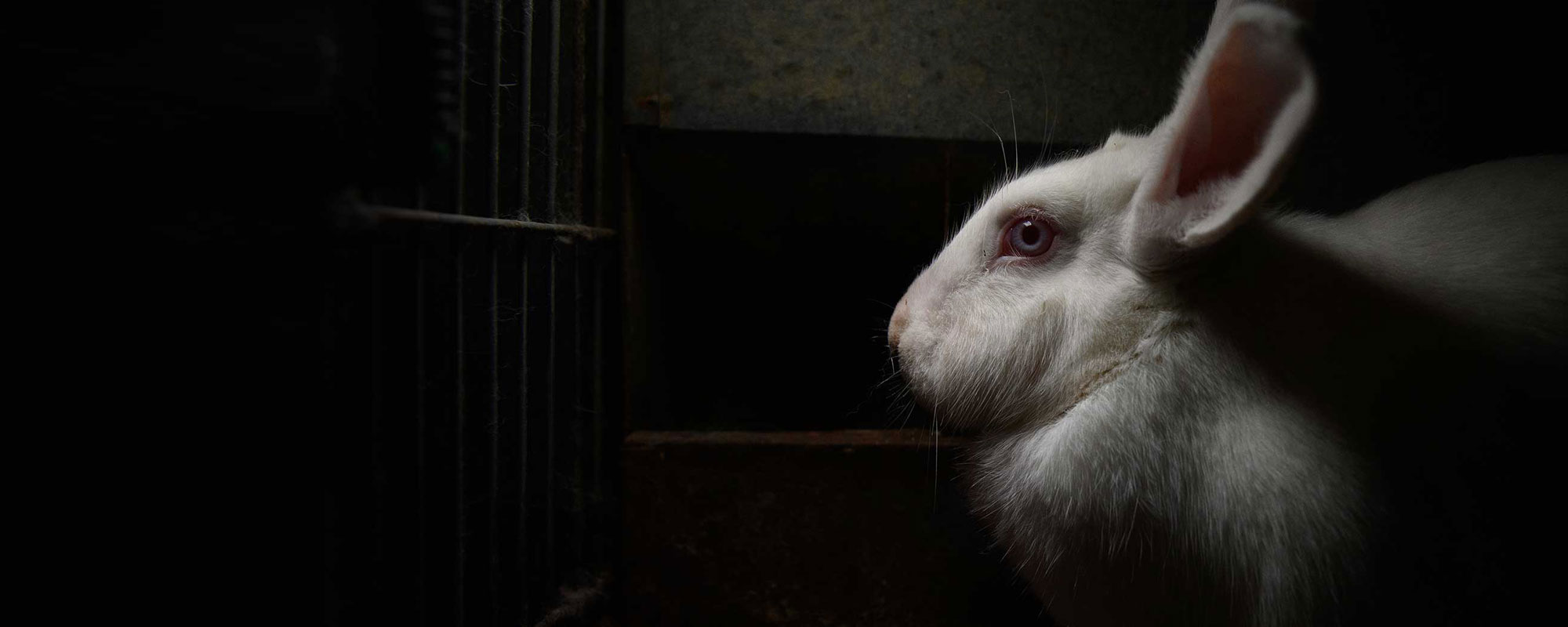
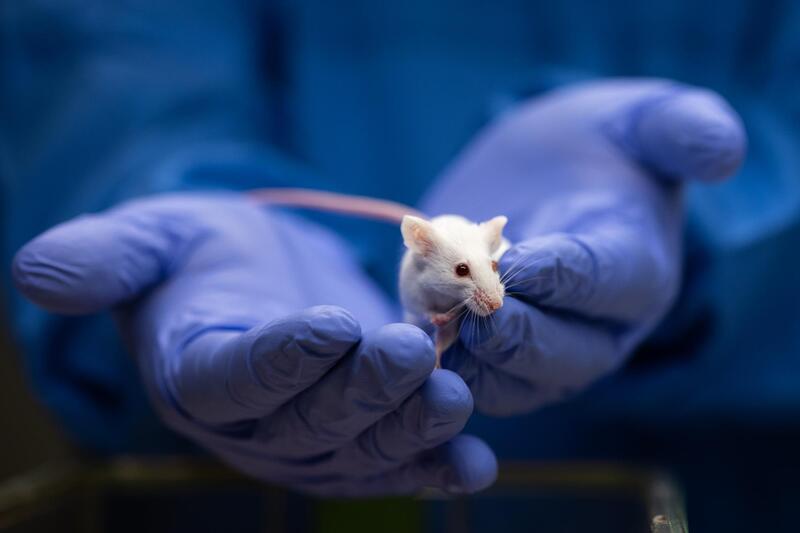
In 2010, Directive 2010/63/EU of the European Parliament and of the Council established the obligation to "replace, reduce or refine animal testing" in order to "progressively eliminate the use of animals in tests as soon as possible". Sixteen years later, the European detergent industry was still legally resorting to these procedures to demonstrate the safety of its formulations. The new regulation explicitly names this contradiction in recital 15: the prohibition arrives precisely because that directive was not sufficient.
"For decades we have allowed the cleaning industry to test its formulas on sentient beings who feel and suffer, while the legal framework promised to move towards alternatives. This regulation closes that gap, but its adoption also reminds us of the price of inaction", states Aïda Gascón, director of AnimaNaturalis in Spain.
Article 7 of the new Regulation (EU) 2026/405 is categorical: compliance with the requirements of the regulation "shall be established by means of animal-free test methods that have been validated at international or Union level". The cut-off date is 22 March 2026: data obtained before that date may still be used; tests carried out after that date block the commercialisation of the product throughout the Union.
The exceptions are narrow. Article 7, paragraph 6, only allows the Commission to authorise an exception if the use of the ingredient is widespread, cannot be substituted and a detailed research protocol exists to justify the need. It is not an open door: it is a conditional closure.
An industry that enters every home
Detergents and surfactants —surface agents present in dishwashers, laundry products, surface cleaners and single-dose capsules— are, according to the regulation itself, mass consumer goods with wide availability and a high risk of accidental exposure, especially in children. Their production and formulation have historically depended on animal testing to certify their toxicological safety.
The new regulation establishes that, from 23 September 2029 —the general date of application—, no product that has resorted to new animal tests to comply with this regulation may be marketed in the EU. The repealed regulation, (EC) 648/2004, did not contain this explicit prohibition.
The statistical context adds urgency. According to data from Cruelty Free Europe, between 2022 and 2023 the use of guinea pigs increased by 7%, cats by 15% and fish by 8% in scientific procedures in the EU. There was also a 10% increase in the use of animals for routine antibody production, including nearly 36,000 individuals subjected to the ascites method —classified as particularly cruel—, despite the existence of validated alternatives. The organisation warns that the trend «underscores that a plan to eliminate animal experimentation is more urgent than ever» and fears that ongoing legislative reviews may even increase animal testing requirements in sectors not yet regulated.
"The cleaning market affects every person, every home, every family. The fact that the law now requires the safety of these products to be demonstrated without inflicting suffering on any individual is an advance that should not have taken so long, but which establishes a principle of ethical coherence that we must defend", adds Gascón.
The regulation also introduces the Digital Product Passport, accessible via a QR code on the packaging, which will document the complete list of intentionally added substances, traceability information and a declaration of conformity under the exclusive responsibility of the manufacturer. Consumers will be able to access it without registration or a password, as established by Article 22, paragraph 4, letter d).
Furthermore, Article 4 sets mandatory biodegradability schedules: the polymeric films coating single-dose capsules must meet biodegradability criteria no later than 23 March 2032. The total phosphorus content in domestic laundry detergents must be less than 0.5 grams per wash, and in automatic dishwashers, less than 0.3 grams per dose, according to Annex III of the regulation.
Science advances faster than legislation
The prohibition on new animal tests is not a leap into a regulatory void. The regulation itself requires that alternative methods be "validated at international or Union level" before they can be used, which implies that the EU implicitly recognises that such methods already exist and have met the necessary scientific standards. The industry has three and a half years —until September 2029— to adapt its validation processes.
The regulation also promotes the circular economy by regulating refill sales, which reduces the use of plastic packaging, and updates labelling requirements for people with allergies, including a detailed list of allergenic fragrances in Annex V, Part D, comprising more than one hundred substances identified by chemical name and CAS number.
In this context, the European Commission plans to publish before the end of April 2026 its Roadmap for the progressive elimination of animal experimentation in chemical safety assessments, a commitment made following the 2021 European Citizens' Initiative. Its specific content will determine whether the prohibition introduced by Regulation 2026/405 on detergents is the beginning of systemic change or a sector-specific exception, although it has until 23 March 2033 to submit a review report on the regulation, assessing whether its objectives are being met, including the impact on small and medium-sized enterprises.
Every purchase is also an ethical stance
The prohibition on new animal tests in detergents is a legislative advance that requires public support to be consolidated. You can start today: when you scan the QR code on your next bottle of detergent —once the Digital Product Passport is operational— you are exercising a right that this regulation guarantees you. You can demand that the products you consume are transparent, traceable and cruelty-free.
At a collective level, the implementation of this regulation depends on the rigour with which national market surveillance authorities apply its control mechanisms. Article 26 grants them powers to withdraw non-compliant products; civil society has the right and responsibility to press for those powers to be exercised.
In 2010, the elimination of animal testing in this sector was promised. In 2026, the regulation prohibiting it was adopted. The time that elapses between a promise and its fulfilment is also determined by the people who demand consistency from institutions.
"Every detergent we buy is a decision about what kind of world we want to sustain. Now that the law vindicates us, it is time to act: support the organisations that have been working for years towards this change, choose cruelty-free products and ensure that this legislative victory does not remain merely on paper", concludes Gascón.