On the afternoons of August 21 and 22, 2025, AnimaNaturalis's investigation team deployed cameras inside Bilbao's Vista Alegre bullring to document the reality of the bullfighting events during the Aste Nagusia festival. The footage collected, frame by frame across nearly a hundred video clips, reconstructs a spectacle of mere cruelty and pure violence.
The 2025 festival brought visible changes, as the bullfighting fair was reduced by two events compared to the previous year—a restructuring announced by the management company and reported by the media as a sign of the decline of bullfighting in the Basque region.
"What our cameras captured in the Bilbao bullring is irrefutable proof that bullfighting is nothing more than a slaughterhouse disguised as culture," says Aïda Gascón, Director of AnimaNaturalis in Spain.
Bullfights are divided into three stages—the tercios—where the only thing that changes is the torture device chosen to weaken, injure, and finally kill the animal. In the first stage, the pike is used to open the bull's back, causing prolonged and sustained blood loss; in the second, barbed spikes tear into its skin, ensuring that with every movement the wounds deepen; in the third, the matador uses a sword to pierce the bull's lungs, leading to a final agony of suffocation. The report we present is direct and devastating in its images and sensations. "Our job is to bear witness to barbarities like this," says Gascón. "To see how the blood soaks the sand, how the wounds that drain the bull's strength are opened… while the public applauds this martyrdom... it cannot and must not be considered culture under any circumstances," she adds.
Bullfighting reviews of the fair highlight a reduced schedule and line-ups featuring top matadors—Roca Rey, Morante, among others—but they also point to afternoons with poor ticket sales on several days, empty stands, and over 8,000 fewer attendees this year.
For AnimaNaturalis, the trend is clear: bullfighting is losing social support and—more slowly—institutional backing. The organization also warns about the use of public funds and the legal protection certain laws grant to bullfighting, elements that act as "life support" for the industry.
What You Don't See From the Stands
Beyond the choreography and displays of skill applauded by the crowd, the investigation footage focuses on what happens outside the official narrative: the treatment of the animals in a prolonged Calvary that leads to a painful death. AnimaNaturalis has published previous reports on the hidden reality behind bullfighting in Bilbao, and this new footage is intended to serve as documentary evidence for the public and to support initiatives like the Popular Legislative Initiative (ILP) "It Is Not My Culture," which is soon to be debated in the Spanish Congress of Deputies.
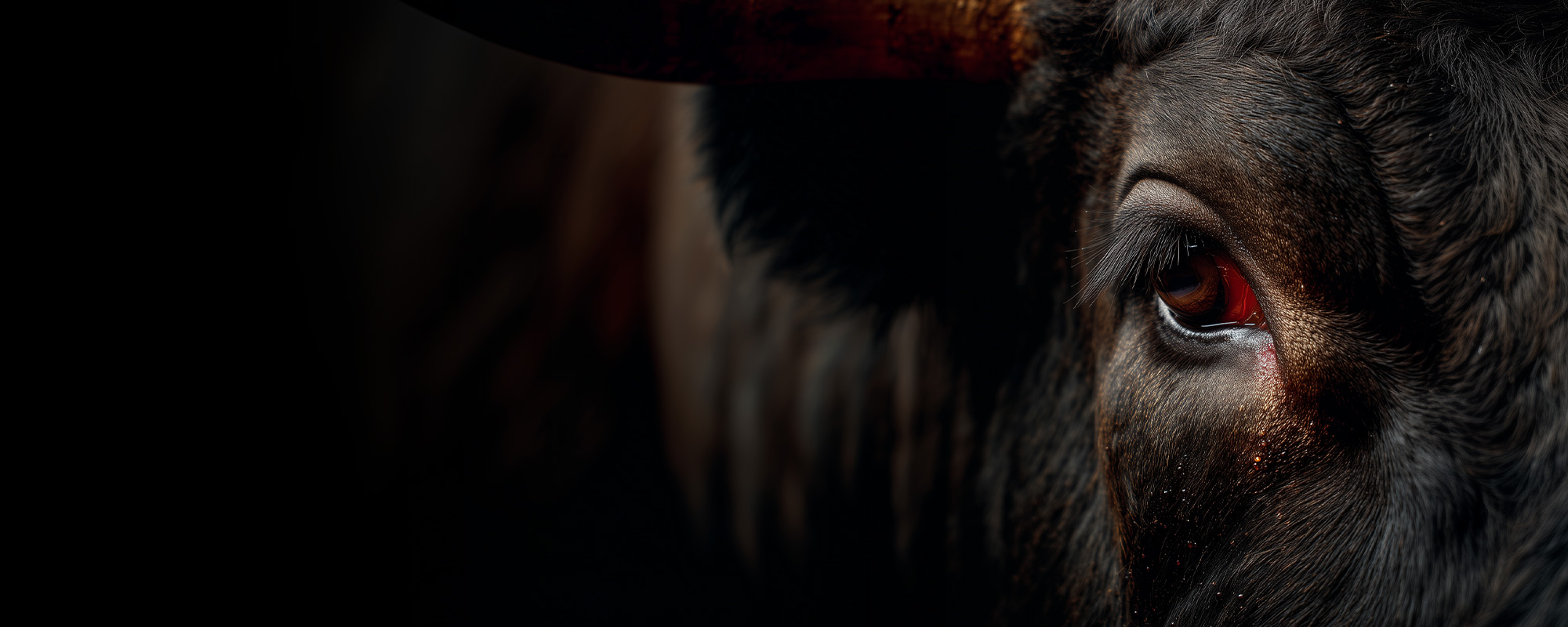
"The bulls who die in each of these events are not mere statistics. Each one is a life with eyes and a heart that begged for a gesture of humanity," explains Gascón. For AnimaNaturalis, social change is achieved through information, public pressure, and strategic legal actions: to document, mobilize, and—when possible—cut off the funding or institutional protection that perpetuates the harm.