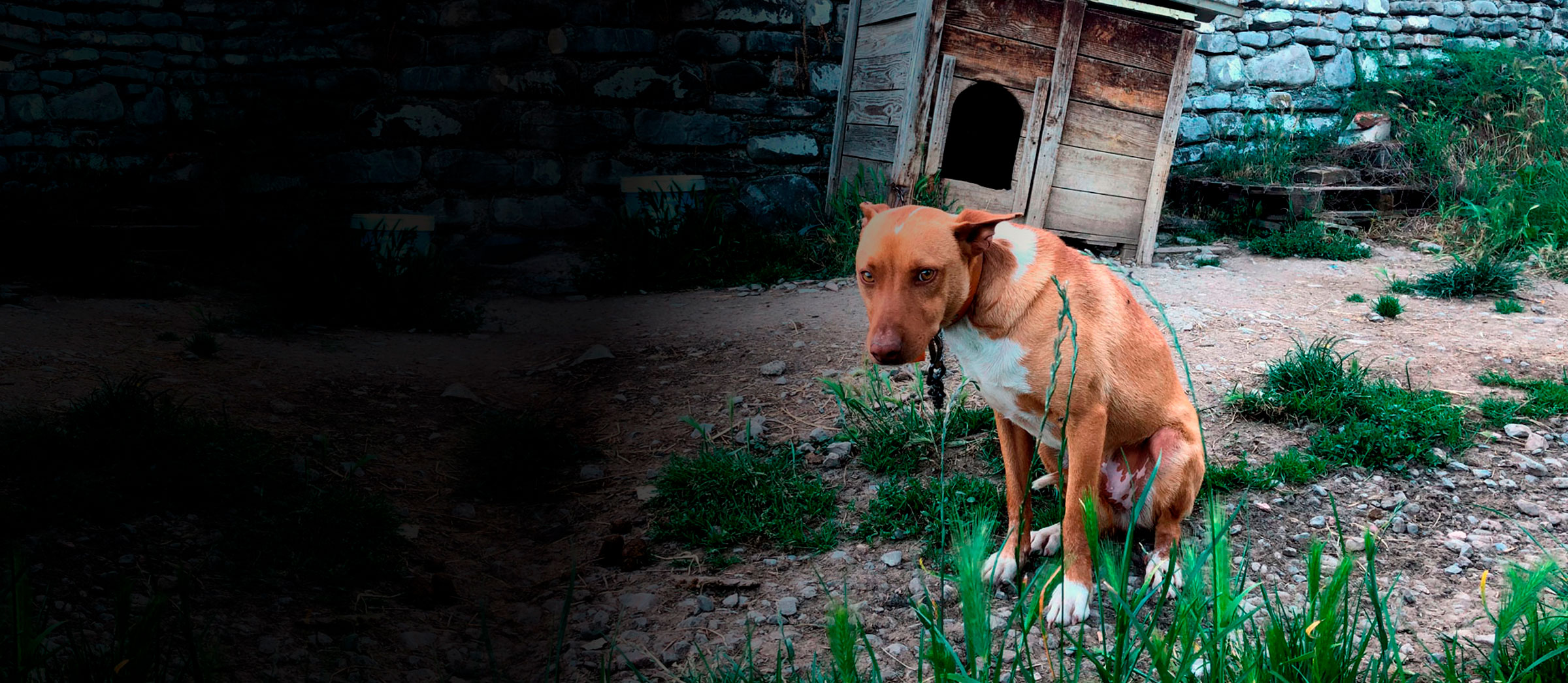

The upcoming Royal Decree (RD) on the Regulation of Pet Zoological Facilities, currently under development by the Ministry of Social Rights, must not exclude hunting dogs. Their omission would perpetuate a concerning legal gap.
In response, AnimaNaturalis has formally submitted its comments to the RD, requesting that facilities housing hunting dogs and rehalas be explicitly included within the scope of the new regulation. "There cannot be first-class and second-class dogs. If the law excludes hunting dogs from basic welfare requirements, we are institutionalizing neglect and abuse," says Aïda Gascón, director of AnimaNaturalis in Spain. "The Royal Decree should harmonize and elevate animal protection standards, not create exceptions that leave the most vulnerable unprotected."
A Necessary Law, but with an Unacceptable Exclusion
The new Royal Decree aims to update and unify regulations for zoological facilities—centers housing pets, such as breeding facilities, shelters, or boarding kennels. Current regulations date back to 1975 and are clearly insufficient given modern conditions and advances in animal welfare. Yet, the draft decree excludes dogs used for hunting and those in rehalas, even though these animals live in facilities that function identically to other zoological centers.
AnimaNaturalis argues that this exclusion contradicts the decree’s own objectives, which aim to establish a common, nationwide framework. Leaving hunting dog facilities outside the regulation would undermine efforts to guarantee consistent health oversight and minimum welfare standards for all companion animals.
"It is a legal inconsistency and an ethical injustice," explains Gascón. "On one hand, the 2023 Animal Welfare Law excludes hunting dogs from its scope, but at the same time requires them to be registered as companion animals. It makes no sense that they can be registered but their housing conditions are not subject to the same hygienic, sanitary, and welfare standards."
Harmonization and Oversight: Keys to Preventing Abuse
One of the main issues the Royal Decree seeks to address is the regulatory disparity among Autonomous Communities, which has historically hindered facility oversight and created unequal law enforcement. Excluding hunting dog facilities would maintain a regulatory gap affecting thousands of animals. These facilities—rehalas, hunting kennels, and training centers—often house large numbers of dogs under variable, often inadequate conditions.
AnimaNaturalis emphasizes that hunting dogs are sentient beings and therefore must meet the same minimum requirements for space, ventilation, cleanliness, veterinary care, and traceability as any other dog. Excluding these facilities would perpetuate situations of abandonment, neglect, and suffering, which are already well-documented in Spain.
Abandonment and abuse of hunting dogs remain alarming. According to a 2023 study, more than 12,000 hunting dogs were abandoned in 2022 alone—a figure that could be higher when unregistered or out-of-season animals are included. Every year, shelters face the same pattern: at the end of hunting season, hundreds of greyhounds, podencos, and other breeds are discarded for not "performing" adequately.
Recent incidents, such as the discovery of 32 dogs dead from starvation in a rehala in Badajoz in 2025, illustrate the direct consequences of inadequate oversight. Without a regulatory framework mandating regular inspections and common standards, these tragedies will continue with impunity.
"Excluding hunting dogs from this regulation is opening the door to more abandonment, overcrowding, and suffering," says Gascón. "The State has a historic opportunity to correct a structural injustice: finally recognizing that all dogs, without exception, deserve the same protection."
What AnimaNaturalis Is Asking For
In its objections, AnimaNaturalis requests that the Directorate General for Animal Rights explicitly include in the Royal Decree:
- Include hunting dogs and rehalas. The new Royal Decree, which regulates facilities housing companion animals, must explicitly cover zoological centers hosting hunting dogs and packs, as they currently risk being excluded.
- Prevent a legal vacuum. Excluding hunting dogs would leave no national regulation governing minimum standards for the facilities where these animals live, leaving their welfare and health oversight dependent on unequal regional rules—or worse, on the outdated 1975 law.
- Resolve a contradiction in Law 7/2023. The state animal welfare law excludes hunting dogs from its general scope, but requires them to be registered as companion animals. This legal inconsistency creates confusion and leaves thousands of animals unprotected despite living as any other dog.
- Recognize hunting facilities as zoological centers. Kennels and rehalas housing these dogs operate like other zoological facilities, concentrating large numbers of animals that require continuous care, feeding, hygiene, and management. They should therefore be subject to the same legal requirements as breeding or boarding kennels.
- Guarantee basic welfare and hygiene conditions. AnimaNaturalis demands these facilities meet common standards regarding:
- Safe and adequate constructions.
- Hygienic and sanitary conditions.
- Sufficient space, ventilation, and rest areas.
- Regular veterinary care.
- Management practices that prevent suffering and stress.
- Ensure equality for all dogs. Hunting dogs are sentient beings like any other dog. Excluding them from the RD would create first-class and second-class animals, ethically unjustified and contrary to the principle of equal welfare.
- Unify standards nationwide. One of the main goals of the Royal Decree is to harmonize criteria across Autonomous Communities. Excluding hunting facilities undermines this harmonization and prevents a unified national overview of centers, censuses, conditions, and controls.
- Facilitate inspections and official oversight. AnimaNaturalis requests that hunting dog centers be included in the national inspection program for regular, standardized checks to detect irregularities, prevent abuse, and improve animal welfare.
- Modernize outdated regulations. Excluding these dogs would continue applying a law from 50 years ago, when awareness and knowledge about animal welfare were completely different. Updating the rules is urgent to ensure real protection for all animals.
- Close the welfare gap. Without including hunting dogs, the RD would leave a major legal loophole in animal protection, perpetuating overcrowding, poor hygiene, uncontrolled disease, and unsupervised abandonment.
In summary, AnimaNaturalis demands that the Ministry:
- Explicitly include hunting dog and rehala facilities in the Royal Decree.
- Apply the same basic standards as for all other facilities: adequate constructions, hygiene, veterinary care, welfare, and official inspections.
- Guarantee legal and moral equality for all dogs, without exceptions.
"Spanish society has made great strides in empathy and animal awareness, yet the legislation still contains gaps through which suffering seeps," laments Gascón. "AnimaNaturalis will continue working to close them, one by one, until no dog is left outside the law."