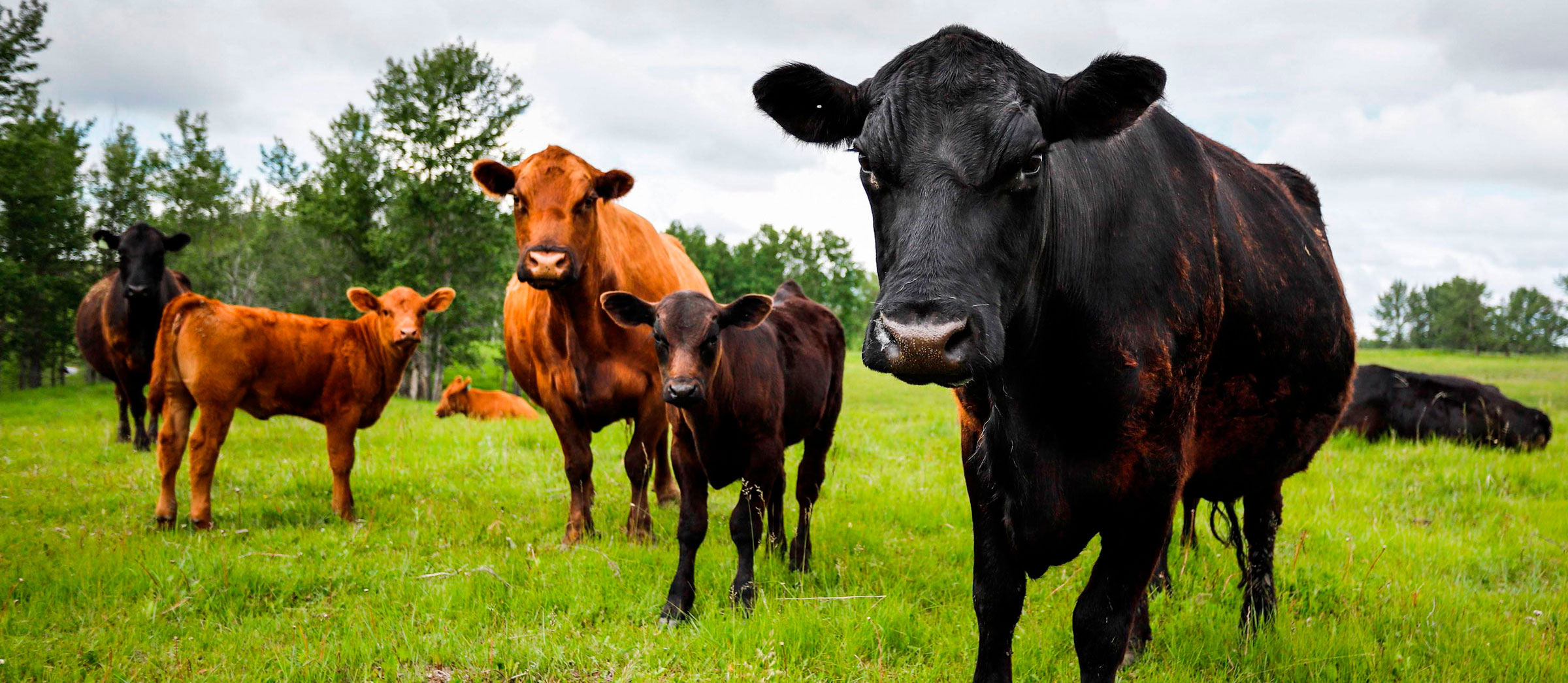
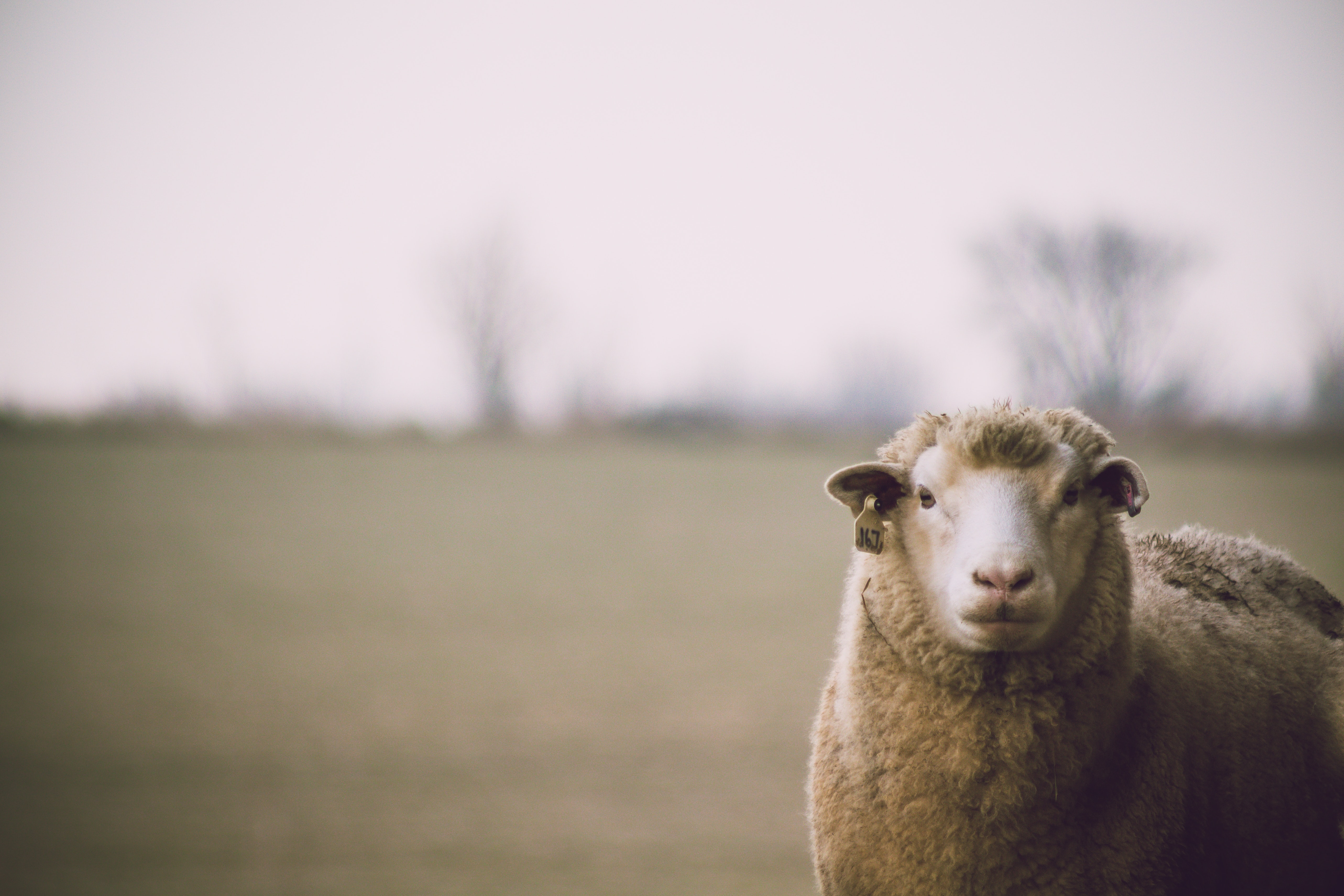
Farm animal sanctuaries find themselves in a legal void and caught between two Ministries Two decrees in progress, two ministries in conflict and no legal category for sanctuaries. While the Government updates — fifty years late — the regulations on establishments that house animals, those who rescue cows, pigs and hens from industrial farming still have no name in the law.
In Spain, two Royal Decree drafts are being processed simultaneously that directly affect the centres that take in animals rescued from agro-industrial exploitation. The first, promoted by the Ministry of Agriculture, Fisheries and Food (MAPA), creates the figure of Traditional Zoological Nuclei for establishments that are neither farms nor homes with companion animals. The second, proposed by the Ministry of Social Rights, Consumer Affairs and the 2030 Agenda, regulates Companion Animal Zoological Nuclei and includes, in a single paragraph of its articles, "farm animals that have lost their productive purpose".
The Regulatory Impact Analysis Report of the Social Rights decree openly acknowledges that the possibility of jointly regulating with MAPA was considered, but that this ministry chose to act independently. The result is a regulatory overlap that resolves nothing and complicates everything.
"The problem is not just that two ministries are regulating separately: it is that neither of them has designed their regulation with sanctuaries in mind. The animals living in them remain invisible to the legislator", states Aïda Gascón, director of AnimaNaturalis in Spain.
The MAPA decree, still in the prior public consultation phase, acknowledges that the regulations currently in force in this area date from 1975 and 1980 — decades in which farm animal sanctuaries simply did not exist as a social or legal concept. The update, therefore, arrives half a century late.
Individuals without a category
The Social Rights decree is the one that comes closest to regulating sanctuaries. It does so through two figures. The first is the Permanent animal refuge, category a.3) within Animal Protection Centres, according to Article 3.3 of the draft. The second figure, even more relevant to the reality of farm sanctuaries, is set out in Article 1.2: animals bred for farming that, having lost their productive purpose, are registered as companion animals in the Companion Animal Register, provided they are permanently housed in a protection centre until their death and can never be subject to use or sale.
This description is, functionally, the exact definition of a farm animal sanctuary. And yet, not a single article of the decree uses the word sanctuary. The Spanish Federation of Animal Sanctuaries (FESA) explicitly called for this in the public consultation of October 2025: legal recognition as a category in its own right, health regulations adapted to welfare rather than productivism, and jurisdiction falling under Social Rights rather than Agriculture. None of these three demands was incorporated into the published text.
Legislative silence has direct consequences. Article 5.2.b of the Social Rights decree establishes that centres housing animals that were previously farmed must comply with all the specific requirements of the applicable health regulations. In practice, this means that a cow rescued from an industrial farm living in a sanctuary will be subject to the same health regulations designed for animals in active production — regulations conceived for output, not rescue.
"Applying to a rescued individual the same standards required of animals on industrial farms is not protecting them: it is extending the productivist logic to the end of their life", adds Gascón.
To this is added the administrative burden of double registration. According to the third additional provision of the Social Rights decree, establishments housing animals from farming operations are not exempt from their obligations in the General Register of Livestock Farms. A non-profit sanctuary would have to maintain two parallel registers designed with entirely different logics.
The absence of specific confinement conditions for species other than dogs, cats and ferrets compounds the problem. Annex II of the decree sets out detailed minimum space requirements for these three groups. For rescued cows, pigs, sheep or hens, the decree merely refers to future ministerial orders that do not yet exist.
What would be possible
The solution does not require building from scratch. It requires the political will to recognise a reality that already exists. Farm animal sanctuaries have been operating in Spain for years, taking in individuals rescued from farms, abandonment or seizure. They do so, in most cases, without public funding, without specific legal recognition and with the uncertainty of not knowing which regulations apply to them.
A fair regulatory framework would begin by recognising the animal sanctuary as a legal category in its own right, distinct from both companion animal protection centres and livestock farms. This category should include confinement conditions adapted to the welfare of each species, not to their economic profitability. It should provide for a single register, not a duplicated one, and establish health requirements consistent with the purpose of rescue rather than production.
The public consultation on the Social Rights decree received contributions along these lines. The FASS Foundation (Foundation Animals Shelter Standards) proposed specific criteria for animals seized, rescued from situations of abuse or originating from illegal trafficking. The Animal Rights Defence Commission of the Illustrious Bar Association of Manresa called for the creation of a State Coordination Commission with the participation of protection entities and animal welfare experts. None of these proposals appears in the published text open for public hearing and information.
The four-year transitional period established by the sole transitional provision of the Social Rights decree offers a window of opportunity. If organisations and citizens apply pressure now, during the public hearing process that is still open, it is possible that the final text will incorporate the categories and guarantees that sanctuaries need.
Now is the time to act
Fifty years ago, when the regulations that still govern Traditional Zoological Nuclei were approved, farm animal sanctuaries as we know them today did not exist. Decree 1119/1975 did not envision them because society did not demand them. Today society does demand them, as evidenced by two thousand people responding in two weeks to a technical and arid consultation on administrative legislation.
What you do in the coming weeks matters. The public hearing and information process for both decrees is active. Now is the time to submit representations, to demand that sanctuaries obtain their own legal recognition, to call for confinement conditions for animals rescued from farming to be designed for their welfare and not their output. "Every time a law ignores individuals rescued from exploitation, we are collectively deciding that their liberation does not deserve legal protection. That too is a form of institutional violence", argues Gascón.
Support the initiative of the Federation of Animal Sanctuaries (FESA) to ensure that sanctuaries are not considered production farms and that they fall under the Ministry of Social Rights rather than MAPA. Find out more at SantuariosNoSonGranjas.org.