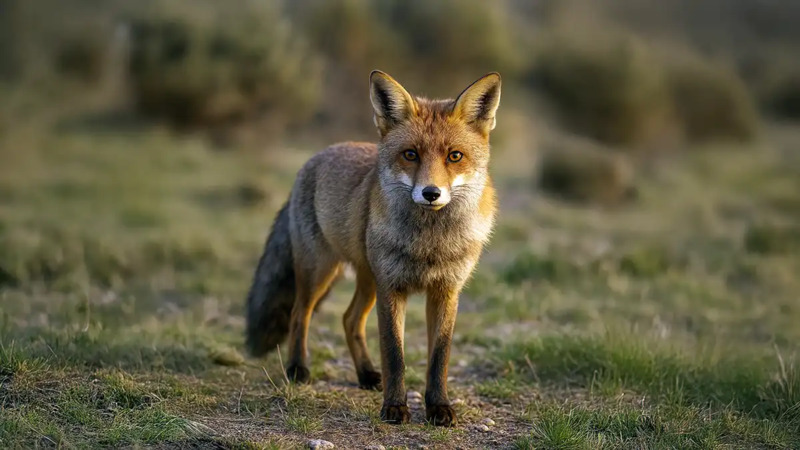
The Ministry of Agriculture has confirmed the first death of a mammal from avian flu (H5N1) in Spanish territory. It is a fox found in a natural reserve between the provinces of Zaragoza and Teruel. This event has raised all alarms in the scientific and social spheres, confirming the virus's ability to cross the species barrier and establish itself in mammal populations.
This tragic death adds to a recent global devastation that underscores the urgency of reevaluating animal production systems.
Intensive Livestock Farming as an Incubator for the Pandemic
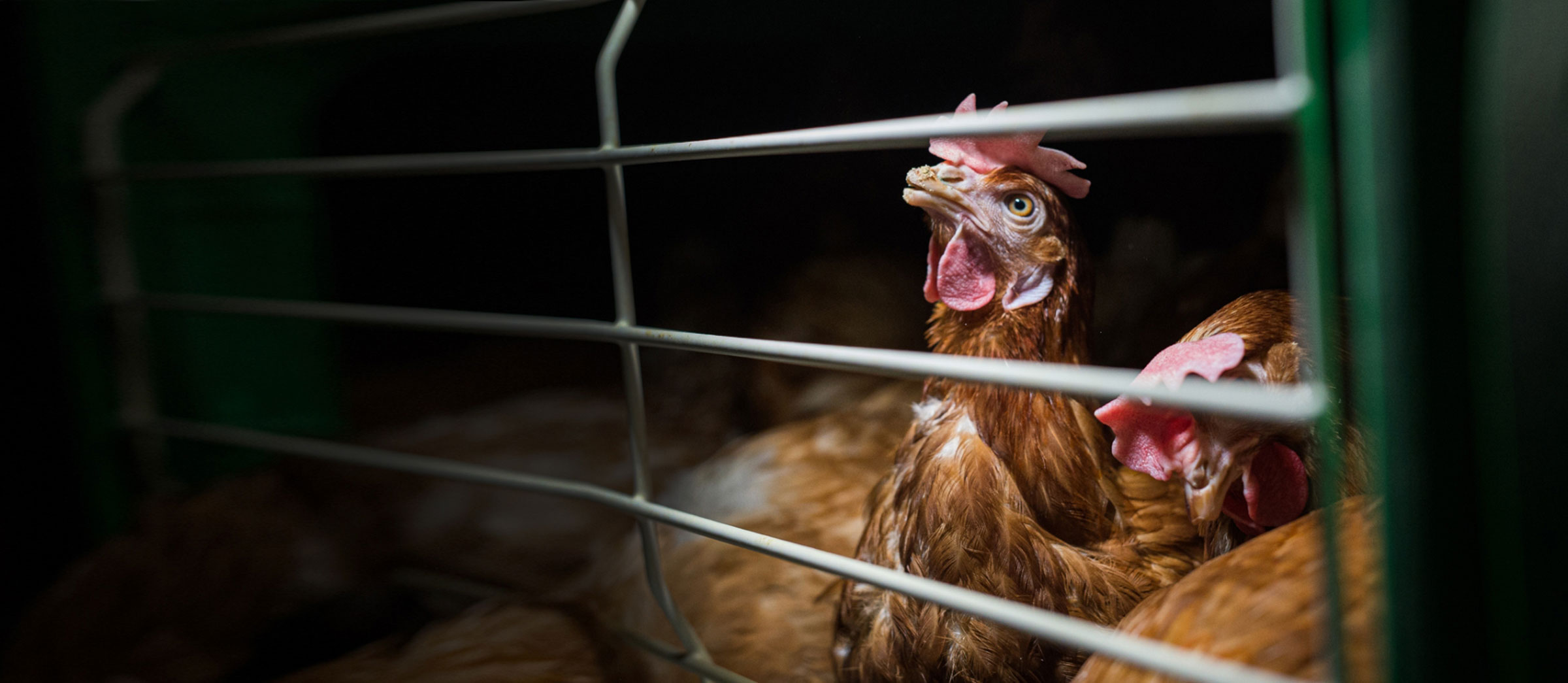
Although the H5N1 virus originated in wild aquatic birds, the scientific community is clear: the expansion and lethality of this strain have been directly amplified by the conditions of industrial livestock farming.
Intensive farming systems act as an ideal breeding ground for viral evolution:
- Overcrowding and Rapid Transmission: The concentration of thousands of genetically homogeneous birds in confined spaces facilitates the virus circulating and spreading at an unprecedented speed.
- Accelerated Mutation: The constant supply of susceptible hosts allows viral strains to mutate rapidly, evolving from mild forms to Highly Pathogenic Avian Influenza (HPAI) variants, which are much more lethal and have a greater capacity to jump to other species.
As we have warned from AnimaNaturalis, this public health crisis is inseparable from the animal welfare crisis and the biosecurity issues in factory farms.
Ecological Collapse in Antarctica: Avian Flu Wipes Out Elephant Seals
The case of the fox in Aragon is not an isolated event. It adds to the largest documented wildlife tragedy to date, evidencing that the H5N1 virus has traveled halfway around the world:
An unprecedented outbreak has caused the disappearance of more than 50,000 female elephant seals on the island of South Georgia, in Antarctica. In just one year, the number of breeding females in the main colonies has fallen by 47%, a population collapse of historic scale.
In Argentina, the virus killed more than 95% of elephant seal pups in the Valdés Peninsula in just weeks.
Scientists have confirmed that the virus not only reached these marine mammals from birds, but has been transmitted from elephant seal to elephant seal, through the air and direct contact on breeding beaches.
The Final Alert: Human Risk
The confirmation of transmission between mammals confirms the scenario virologists fear: that a highly pathogenic virus of avian origin adapts to mammals.
The persistence of the livestock industry in production systems that are inherently dangerous not only condemns millions of animals to a life of suffering but also exposes humanity to a latent pandemic threat.
From AnimaNaturalis, we demand that health and governmental authorities recognize the role of intensive livestock farming in this global crisis and take urgent measures to foster a transition towards more sustainable and safer production systems, for the good of animals, the environment, wildlife, and public health.