The regulation significantly strengthens protection by increasing minimum standards for breeders and implementing comprehensive traceability requirements, a measure we applaud. However, we are concerned that the regulation omits the protection of dogs used for work, cats on farms, and other species kept as companion animals.
With the planned comprehensive identification and registration, all cats and dogs kept and placed on the market will be traceable through official systems, preventing illegal breeders and traders from operating undetected.
The increased minimum welfare standards represent a significant shift in regulating breeding establishments, aiming to curb abusive practices and eliminate unregulated (domestic) breeders and large puppy and kitten farms. However, since only large breeding centers (producing more than five litters per year) fall under the approval regime, it is unclear if this will be sufficient to achieve the intended impact.
In another positive step, the EU will address the ongoing suffering of cats and dogs with extreme physical traits (such as flat faces, bulging eyes, and excessive skin folds, among others), excluding them from breeding and from being exhibited in shows and competitions.
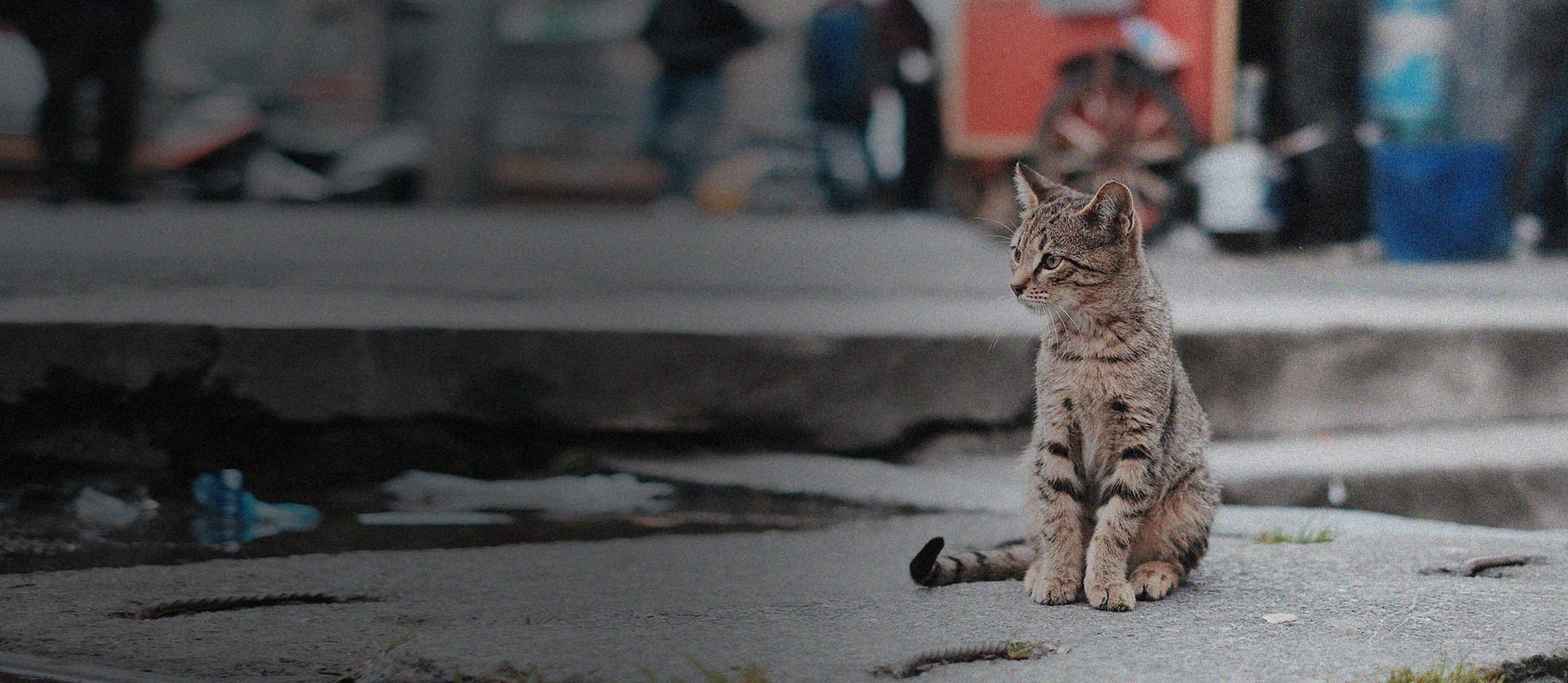
However, it is concerning that this legislation does not apply to dogs used for hunting, livestock guarding dogs, and dogs and cats on farms, leaving an estimated 18 million cats and 2 million dogs without adequate protection. Such an exception not only ignores the inherent need to protect these animals—sentient beings no different from those covered by the rules—but also places an additional burden on public finances and citizens, exacerbating population management challenges.
It is disappointing that EU institutions did not seize this opportunity to push for legislation covering other species kept as companion animals, whose specific needs should also be protected. An EU-wide Positive List, stipulating which species are suitable to be kept as companion animals, could help simplify rules for consumers and control authorities, improve animal welfare, and simultaneously reduce risks to biodiversity and human health and safety.