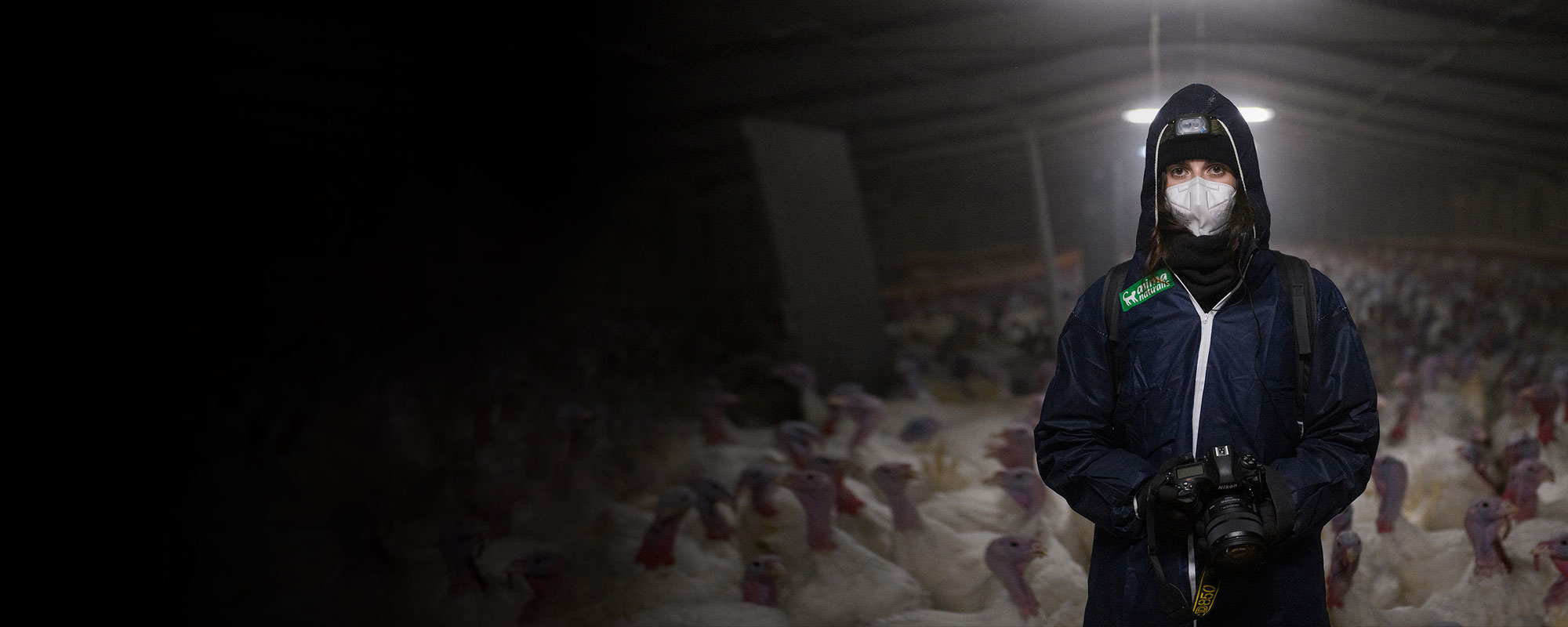
The year 2025 will be remembered as a crucial moment in the history of animal rights. For the first time, animal protection has ceased to be a marginal or secondary issue and has become a fundamental pillar of public policy in multiple countries. From the European Union to Latin America, including Spain, the legislative reforms and court rulings of this year have redefined the relationship between humanity and other species, finally acknowledging what science has demonstrated for decades: animals are sentient beings capable of experiencing pain, suffering, and complex emotions.
"We are witnessing a paradigm shift that would have seemed impossible just a decade ago", says Francisco Vásquez Neira, president of AnimaNaturalis. "What we have seen in 2025 is not just new laws, but a profound transformation in how societies understand their moral responsibility toward animals. However, the real challenge begins now: ensuring that these rules are effectively implemented and that no animal is left unprotected", adds Vásquez Neira.
The European Union leads the most ambitious regulatory overhaul in decades
The European Union has maintained its position as a global leader in animal protection throughout 2025, driving a comprehensive revision of its legislative framework that had not been fully updated since the foundation of the community. This process has sought to harmonize welfare standards among the 27 Member States and respond to the expectations of an increasingly aware and engaged public.
One of the pillars of this reform has been the update of regulations on the welfare of animals in livestock farming. The public consultation and legislative review process, which concluded at the end of 2025, introduced standards based on the natural behavior of species, moving beyond the old model that focused solely on the absence of suffering. The European Commission now works under the principle that welfare also implies the presence of positive emotional states, aligning with the “Five Freedoms”: freedom from hunger and thirst, from discomfort, from pain and disease, freedom to express normal behavior, and freedom from fear and distress.
This update aims to transform the agri-food industry by establishing common rules on the management and trade of farm and companion animals, eliminating competitive advantages based on cost-cutting at the expense of animal welfare. In addition, the launch of the Pollinators Monitoring Plan under the Nature Restoration Regulation demonstrates a deeper understanding of the interconnection between species, granting for the first time systemic protection to insects essential for global food security.
From the end of cages to the protection of fish and invertebrates
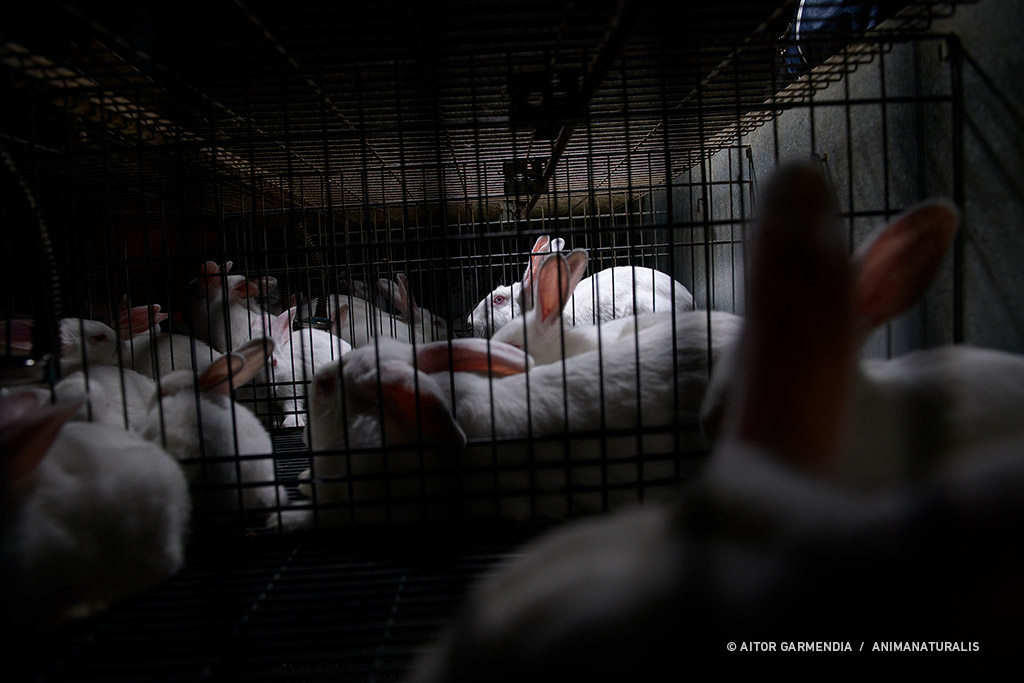
The European Union’s commitment to end the cage era reached a point of no return in 2025. Following the overwhelming public response to the consultation on the revision of farm animal legislation — with more than 200,000 submissions, tripling the figures of 2023 — the European Commission confirmed its intention to present, before the end of 2026, a binding legislative proposal to progressively ban the use of cages throughout the EU.
This historic step responds to the European Citizens’ Initiative “End the Cage Age”, which gathered 1.4 million signatures from citizens across Europe demanding an end to cages for laying hens, rabbits, quail, ducks, geese, sows, calves, and other farm animals. The Commission, which had initially promised to present this legislation in 2023, relaunched the process in 2025 with renewed political determination following the publication of the Vision for Agriculture and Food in February.
"The message from European citizens is clear and unequivocal: cages have no place in a 21st-century Europe", states Aïda Gascón. "After years of struggle, the legislative process is finally underway, but we must remain vigilant to ensure that the final proposal is truly ambitious and includes all farmed species, without exceptions or loopholes", she warns.
The new European framework also marks a historic turning point for aquatic animals. For the first time, the European Parliament formally urged the Commission in 2025 to incorporate welfare considerations for fish and other aquatic animals into the Common Fisheries Policy. This demand responds to the scientific recognition that fish are sentient beings capable of experiencing pain and suffering — a reality that had so far been ignored in European legislation.
It is currently estimated that 640 million fish are farmed and killed annually in EU aquaculture facilities, most of them under conditions that fail to meet minimum welfare standards. Future European legislation will, for the first time, include specific regulations on stocking density, water quality, environmental enrichment, and, crucially, stunning methods prior to slaughter. A 2025 survey revealed that 91% of Europeans surveyed in nine countries believe that fish welfare should be protected to the same extent or more than that of other farm animals.
But recognition of sentience does not stop with fish. The European legislative update also considers complex invertebrates such as octopuses, squids, crabs, and lobsters, whose capacity to feel pain has been confirmed by multiple scientific studies from the European Food Safety Authority (EFSA). This expansion of the circle of legal protection represents a paradigm shift: for the first time in history, European legislation will recognize that the capacity to suffer is not exclusive to mammals and birds.
The end of fur farming in Europe
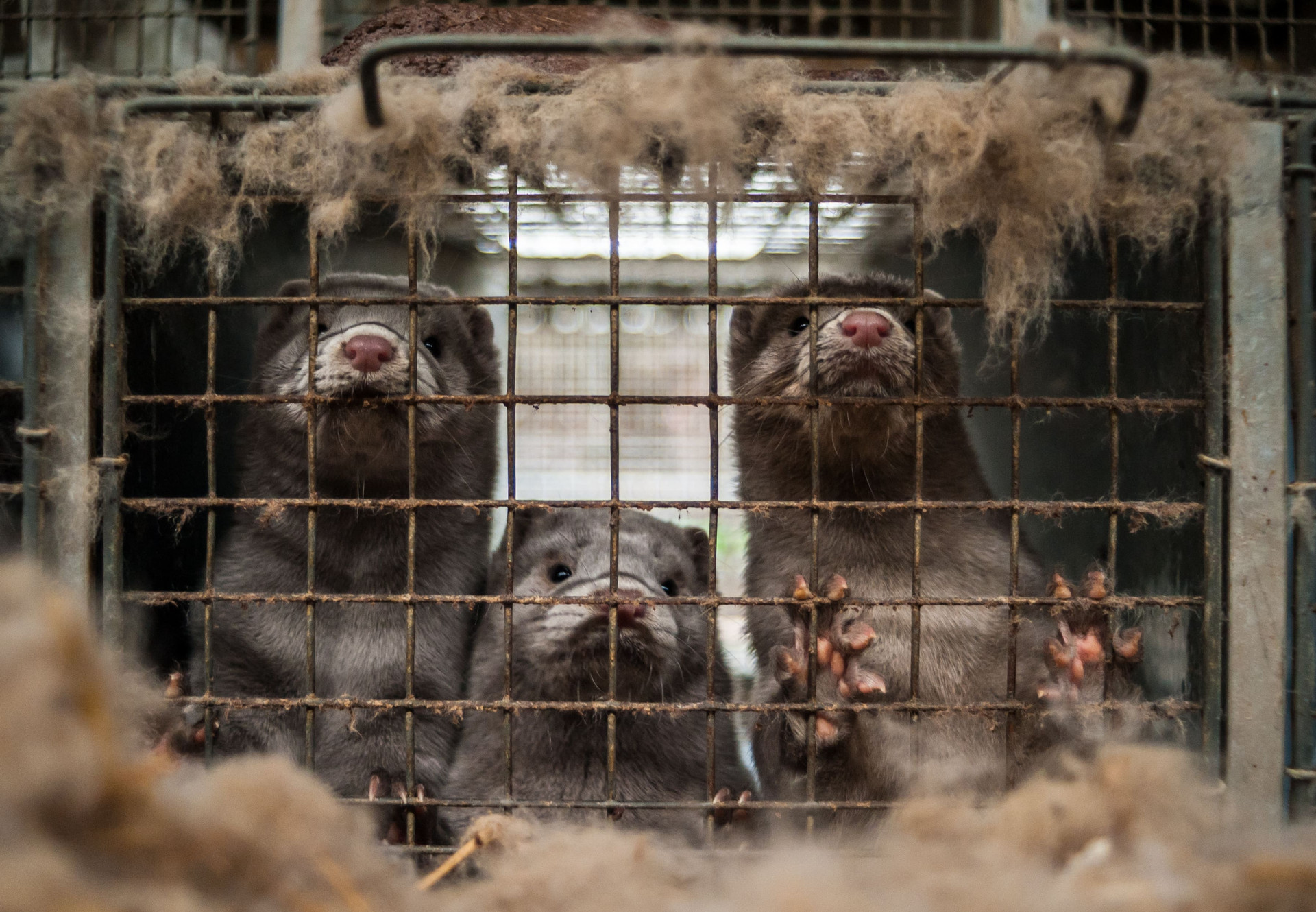
Another major milestone of 2025 has been progress toward a total ban on fur farms across Europe. Following the massive mobilization of the European Citizens’ Initiative “Fur Free Europe”, the European Food Safety Authority issued a binding scientific opinion in July concluding that the farming of animals such as mink, foxes, and chinchillas solely for their fur is inherently incompatible with their welfare, as confinement conditions prevent them from meeting their most basic biological needs.
This opinion has catalyzed intense debate in the European Parliament, where MEPs from across the political spectrum have urged the Commission to establish a total EU-wide ban covering both farming and the marketing of fur products. Although implementation faces challenges in countries with entrenched industries, ethical consensus has led major luxury brands to definitively abandon the use of fur, anticipating regulation. Even commercial platforms such as AliExpress and Alibaba have banned the sale of fur in the EU and the United States.
"The EFSA opinion confirms what animal protection organizations have been denouncing for years: there is no ethical way to breed animals just to kill them for their fur", says Aïda Gascón. "But we must remain alert to ensure that the ban is total and leaves no loopholes for the fur industry to persist in some Member States", she cautions.