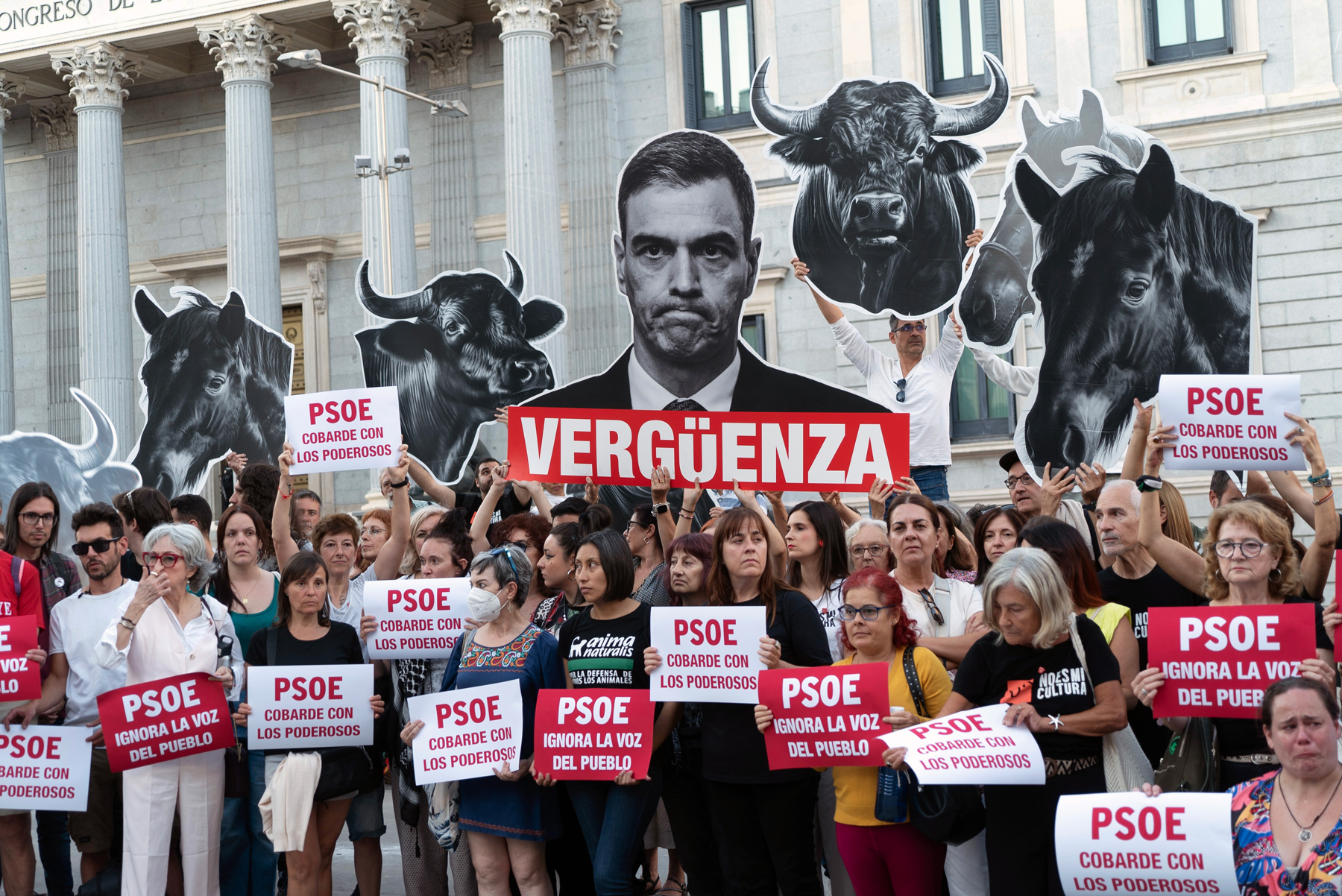
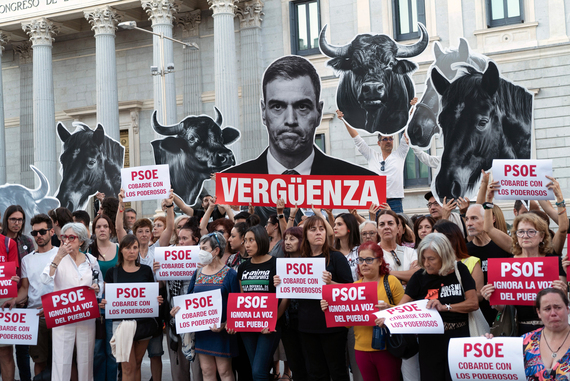
On Tuesday, the Plenary of the Spanish Congress rejected the consideration of the Popular Legislative Initiative (ILP) No Es Mi Cultura, which proposed repealing Law 18/2013, declaring bullfighting as cultural heritage. Supported by 664,777 valid signatures, the initiative faced the key abstention of the PSOE, effectively adding votes to the rejection from PP, VOX, and UPN, condemning the ILP to never start its parliamentary process.
The vote ended with 169 against, 57 in favor, and 118 abstentions. Progressive and nationalist groups that supported the initiative argued during the debate that this is not only a legal issue but an ethical one: "Animal abuse cannot be culture", defended representatives from Sumar and Podemos.
On September 23, when the anti-bullfighting proposal reached the Congress Culture Committee, the PSOE spokesperson, Marc Lamua, stated that his group would vote in favor of moving it forward, because otherwise "debate in the House of Words would be denied". Two weeks later, and hours before the final vote, the Socialists abstained in the Plenary, effectively killing the proposal. No debate would take place.
According to multiple sources consulted by El Mundo, the federations of Castilla-La Mancha, Castilla y León, Basque Country, and Extremadura mobilized to prevent the Socialists from engaging in the debate. Deputies from these four regions expressed dissatisfaction to the Parliamentary Group leadership for allowing the ILP to move forward in Congress.
Party leaders, such as Eneko Andueza and Emiliano García-Page, took similar action with Ferraz. Apparently, the choice was to vote against democratic debate rather than expose internal party divisions over bullfighting, especially with upcoming regional elections and a probable early general election in Spain.
"It should be remembered that many Socialist voters support bullfighting, and what we did was signal that entering this ideological battle now would be a mistake," noted another source. On Wednesday, speaking in Toledo, Page publicly admitted he had requested the party to halt support for the ILP. "I am glad that, for once, Madrid listened and changed its position, that a correction was made, and that a runaway race to challenge one of the country’s identity markers was stopped."
For the ILP promoters, PSOE’s decision represents a betrayal of citizen will. Aïda Gascón, director of AnimaNaturalis in Spain and member of the ILP Promoting Committee, denounced that "while a majority defended compassion, the PSOE chose to turn its back on citizens to avoid upsetting its most conservative sectors. Today, unfortunately, cruelty has prevailed."
The PSOE’s abstention, far from neutral, was a pragmatic move that functioned as a silent veto, strategically aligning with the right to protect territorial interests and prevent internal fragmentation. This maneuver confirms that, for current leadership, maintaining federal cohesion and defending the social capital tied to bullfighting in rural areas such as Andalusia, Extremadura, Castilla-La Mancha, and Castilla y León takes precedence over ideological consistency with progressive coalition partners.
The PSOE defended its abstention as a matter of political responsibility and balancing. Socialist spokesperson Maribel García López argued that "culture cannot be imposed or repealed by decree" and appealed to social plurality as justification for not supporting the initiative’s processing. For many analysts and the animal rights movement, this explanation is insufficient: they see PSOE avoiding a substantive decision to dodge internal and electoral tensions.
Parties supporting the ILP’s consideration united under the banner of ethical progress, labeling bullfighting as anachronistic and cruel.
From Sumar, spokesperson Nahuel González set the abolitionist line with a direct statement: "Today the debate is whether torture will continue to be protected as heritage in this country, or whether, finally, we choose empathy, progress, and living culture." González emphasized that the initiative did not seek prohibition but returned sovereignty to regions: "This ILP imposes nothing. It only restores the freedom of autonomous communities to decide whether to fund bullfighting."
Martina Velarde (Podemos) echoed this position, asserting that "in the 21st century, in the era of artificial intelligence, people still take pleasure in the pain and suffering of living animals—it cannot continue." Etna Estrems (ERC) appealed to majority social sentiment: "European culture today is law, respect, and animal welfare. For us, and for me personally, this is clear. Bullfighting is not culture—it is cruelty, animal abuse, and unacceptable."
The positions of Junts, PNV, EH Bildu, and BNG aligned on defending territorial autonomy, calling for regulation to "return to the hands of regional and local organizations", undoing the 2013 centralist imposition. PNV spokesperson Joseba Agirretxea asked: "How can one prevent an autonomous community—or several—from deciding something that, while within their competence, displeases those governing in Madrid?"
Meanwhile, PP and VOX celebrated the ILP’s failure, defending bullfighting as a “tradition” and pillar of identity, framing the initiative as an attack on cultural freedom.
Beyond words, the outcome raises a central political and social question: what democratic channel remains when citizen mobilization can be stopped before even reaching parliamentary debate? The answer lies in demanding greater political courage and mechanisms to translate social pressure into effective reforms.
Next Steps
The announcement by Culture Minister Ernest Urtasun that "we are already speaking with the ILP promoters… to see how we can bring this back to Congress" reshapes the public narrative after PSOE’s unexpected abstention blocked consideration of No Es Mi Cultura. Urtasun called the Socialist change of position "incomprehensible", referred to it as a "serious mistake", and delivered a clear message: "We will not allow a law protecting animal torture to persist in 2025." Simultaneously, senior members of Sumar and Podemos—including Yolanda Díaz and Ione Belarra—criticized PSOE’s decision sharply in media and online.
In response, the ILP Promoting Committee reacted immediately and forcefully: Gascón spoke of "shame", asserting that PSOE has "once again failed animals" and has lost "all credibility" among the animal rights community.
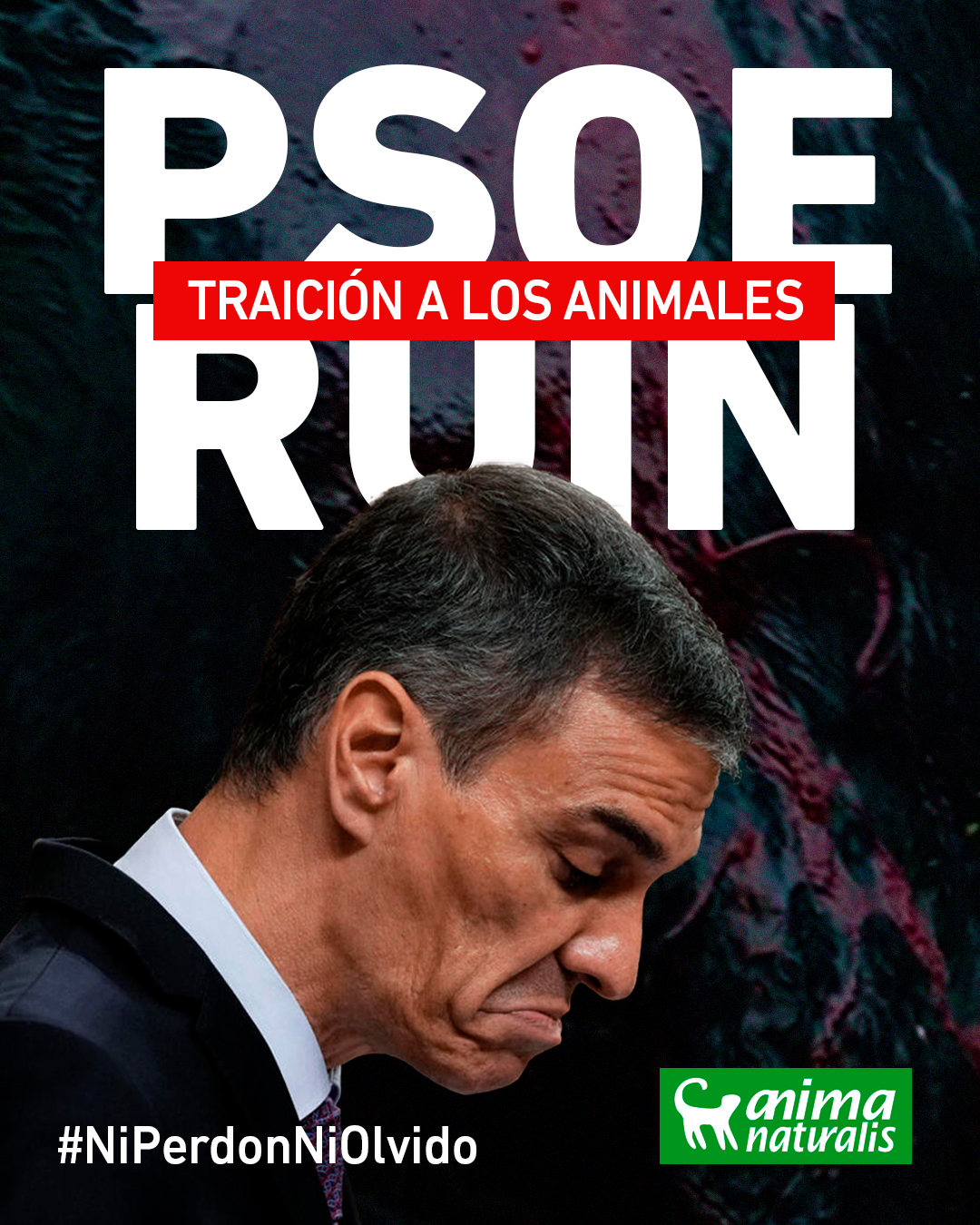
Pedro Sánchez Pérez-Castejón |
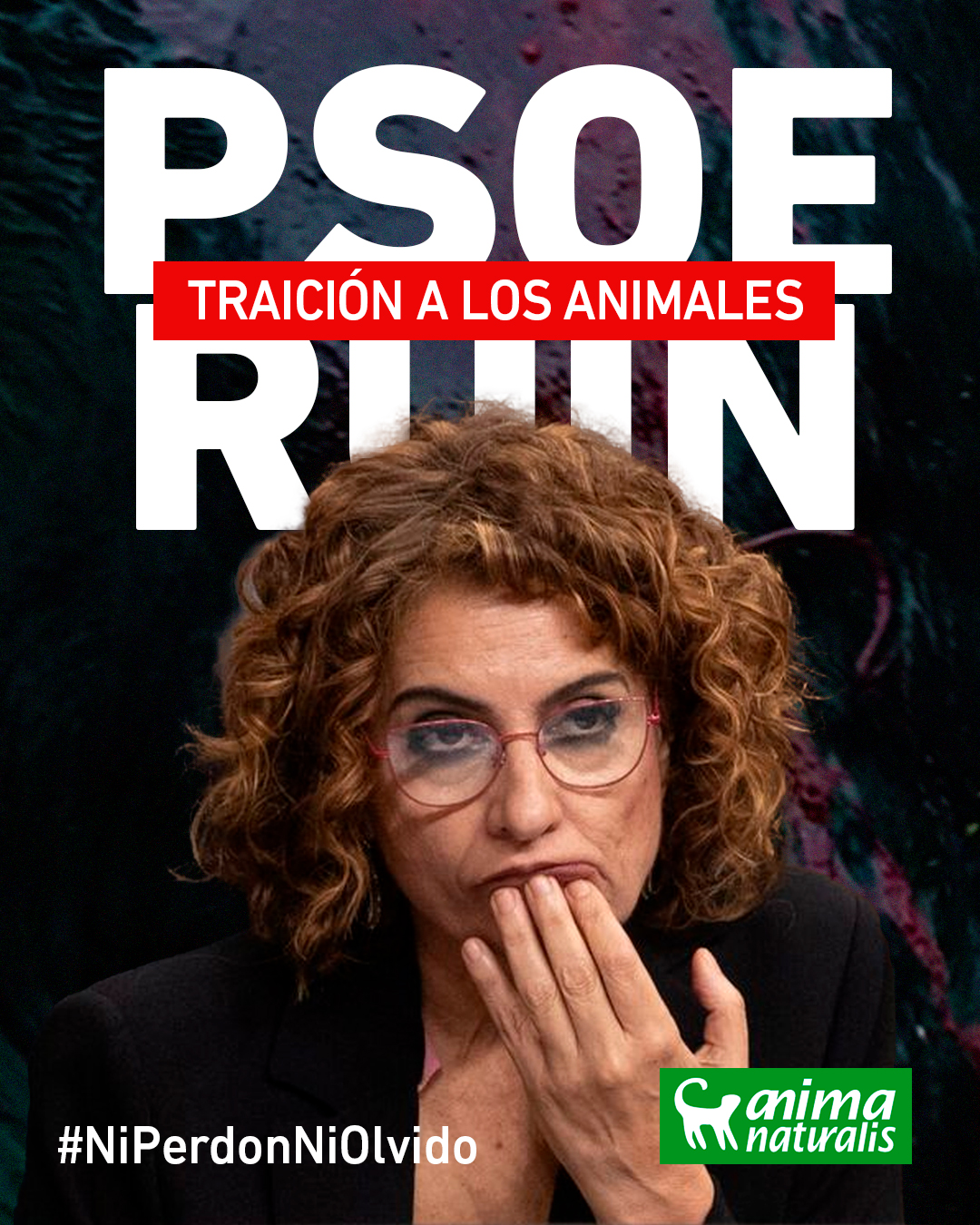
María Jesús Montero |
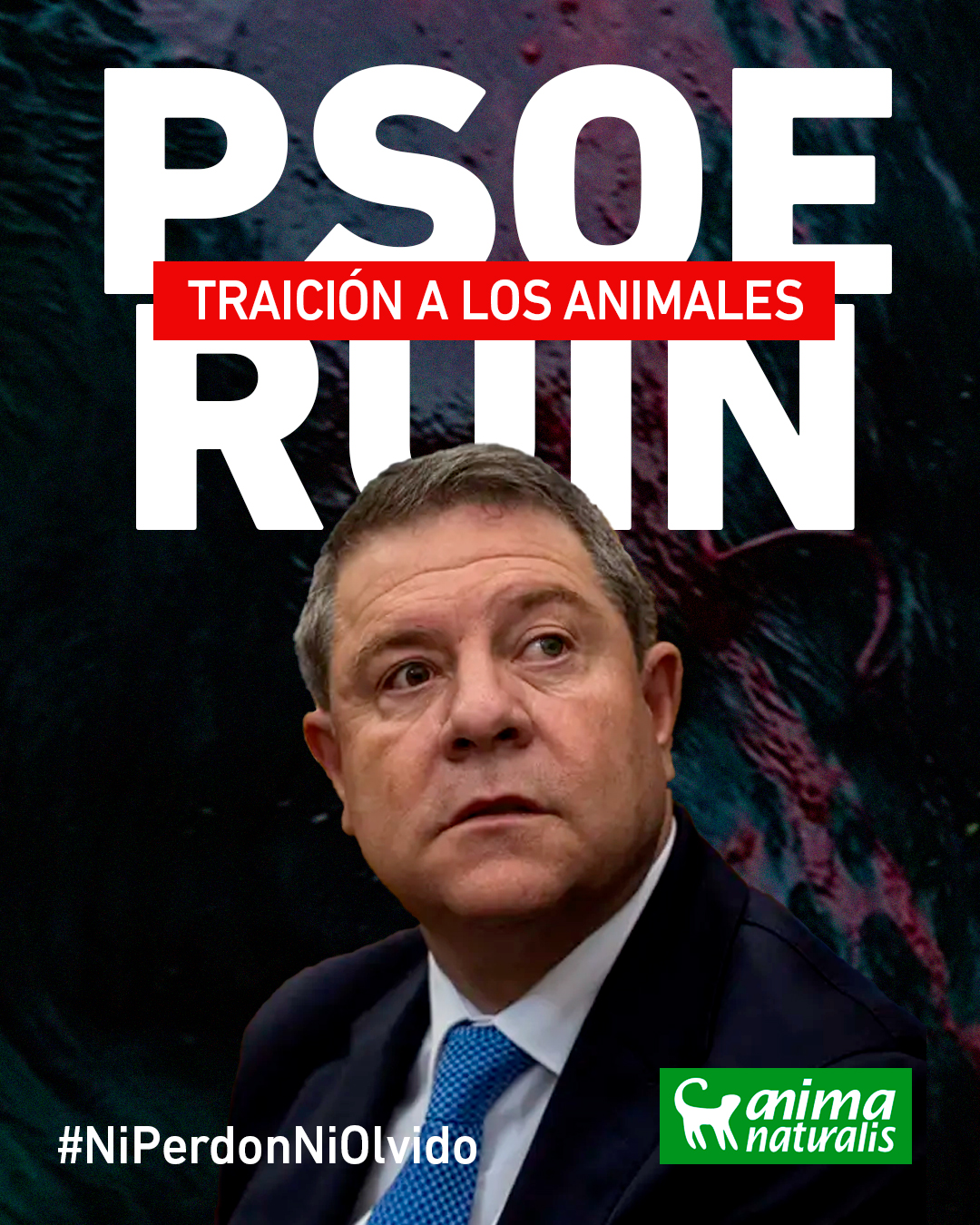
Emiliano García-Page |
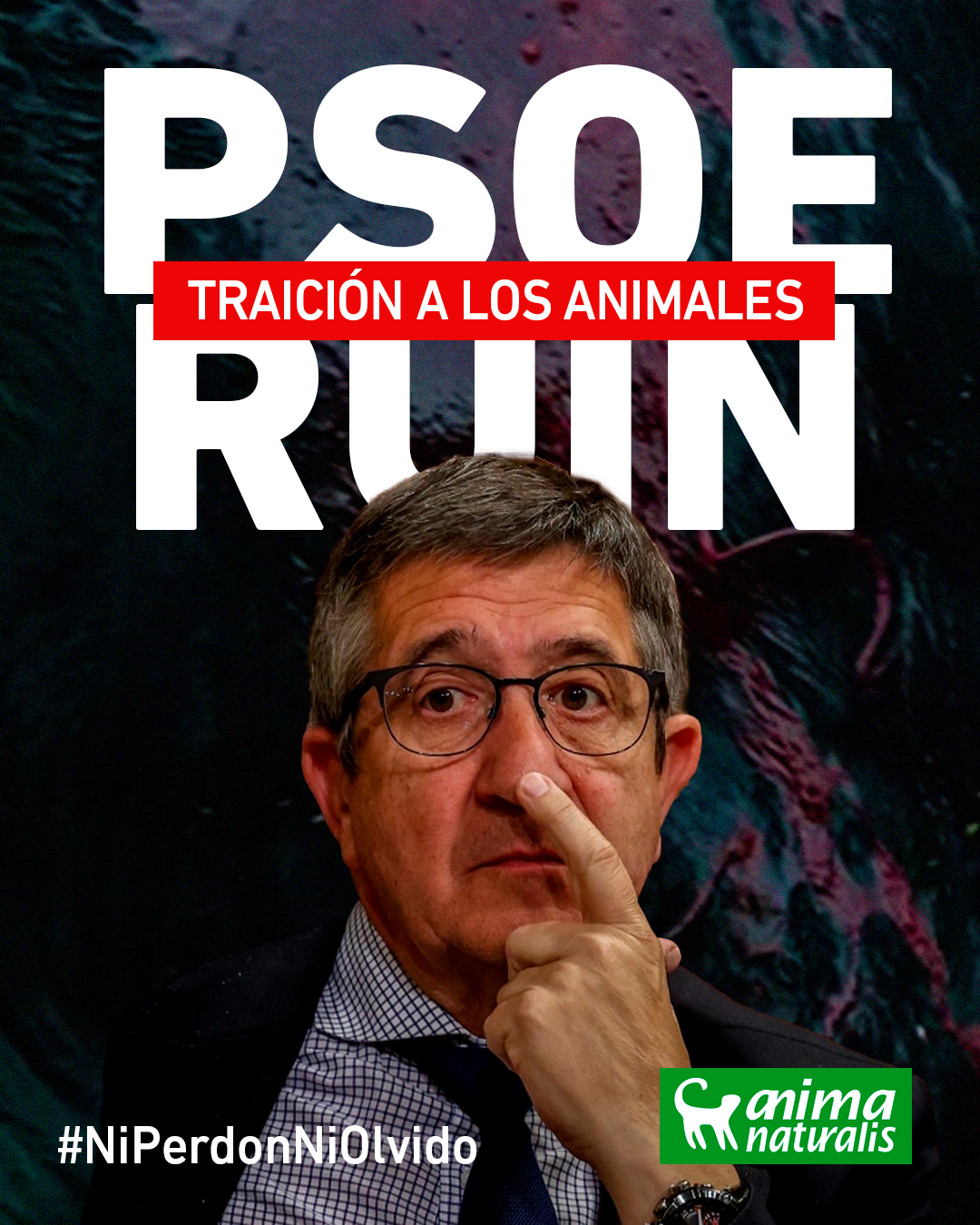
Patxi López |